How it behaves outdoors
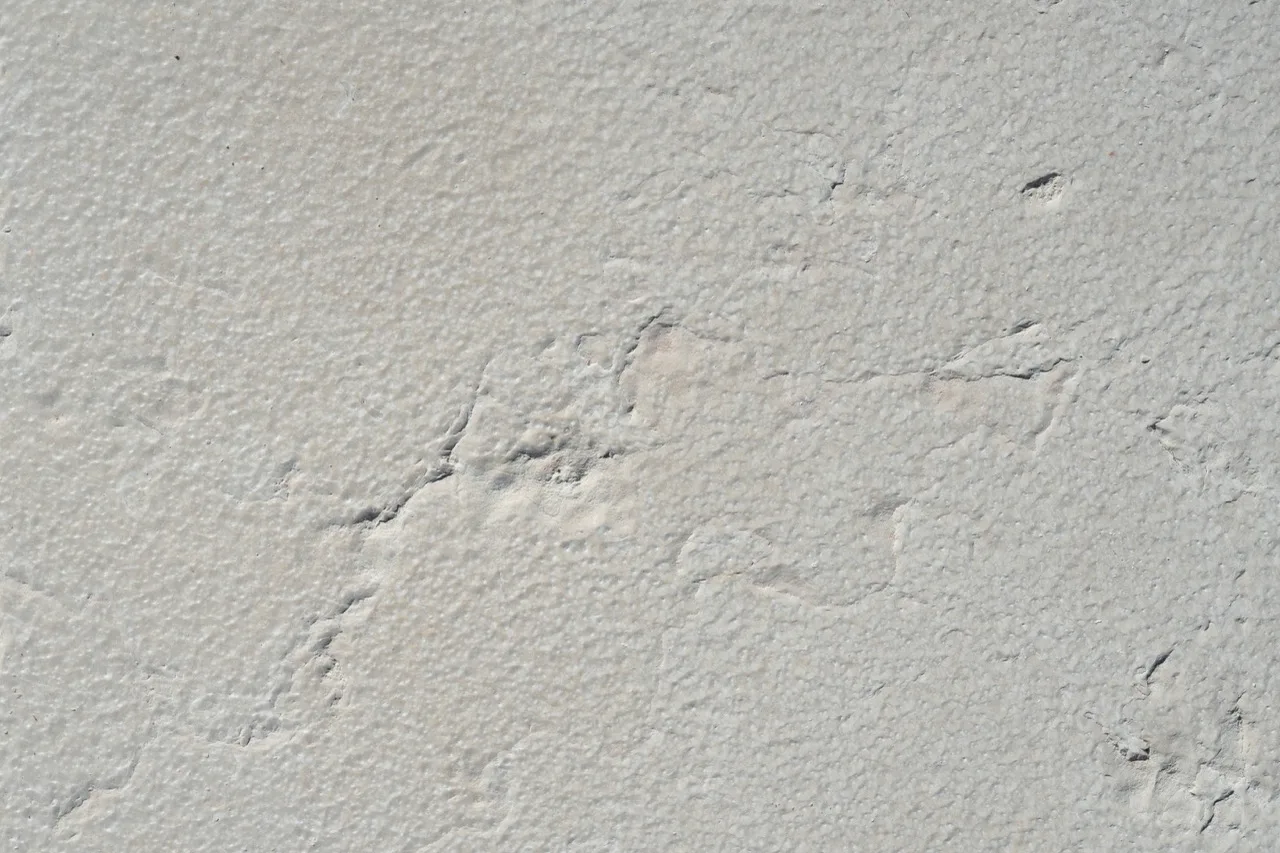
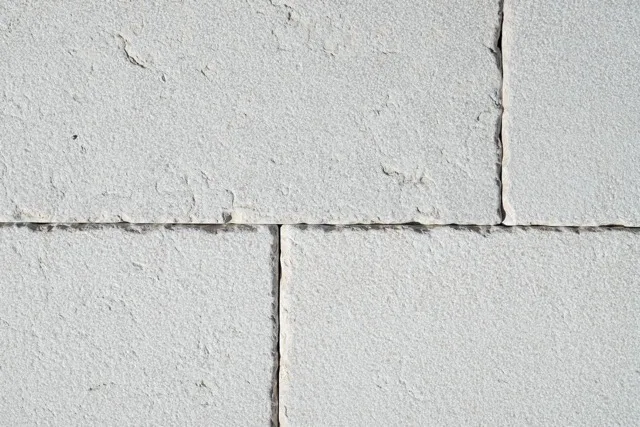
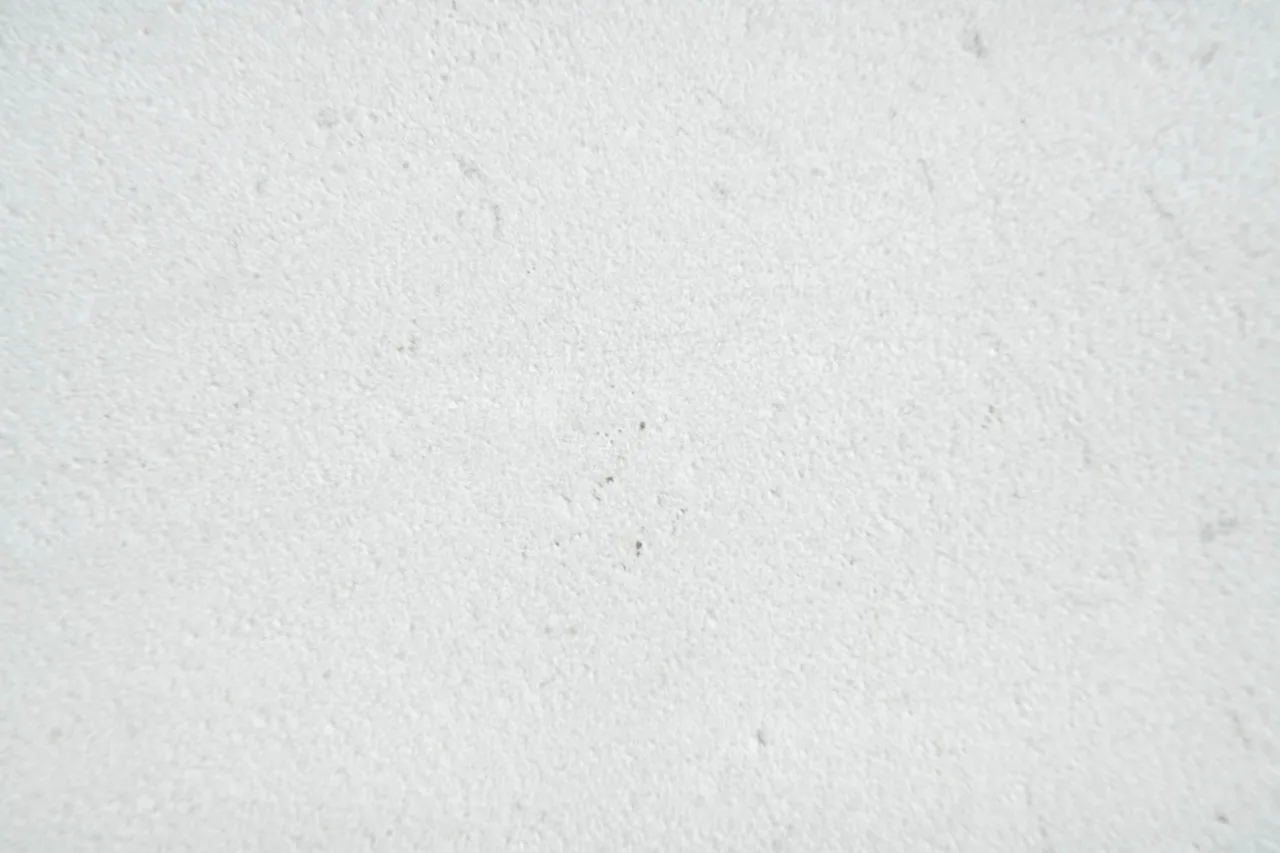
Trani stone is a compact limestone, not a metamorphic marble, and it is that compactness that makes it an outdoor floor and not merely a decorative cladding.
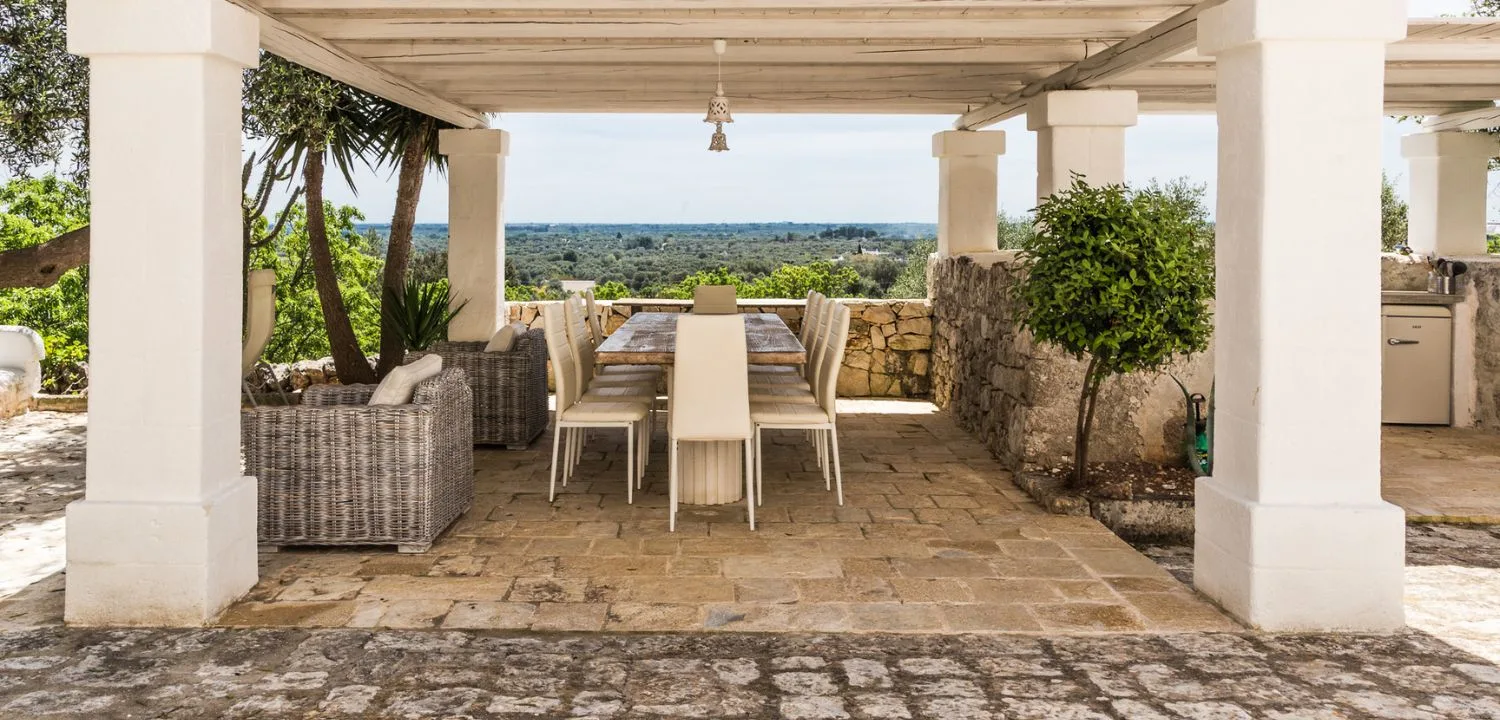
The compressive breaking load is 1922 kg/cm². After freeze-thaw cycles it drops to 1890, a loss of under 2%. That is why it holds on exposed terraces and in driveable courtyards, where a porous stone flakes apart within five winters.
The water absorption coefficient is 0.300%. It takes in very little water, so stains do not go deep and frost finds nothing inside the slab to split.
Sizes and thicknesses
The catalogue size is 30 cm with a thickness of 1.2 cm. It is the slab that covers most indoor floors and terraces, and the one we keep in stock.
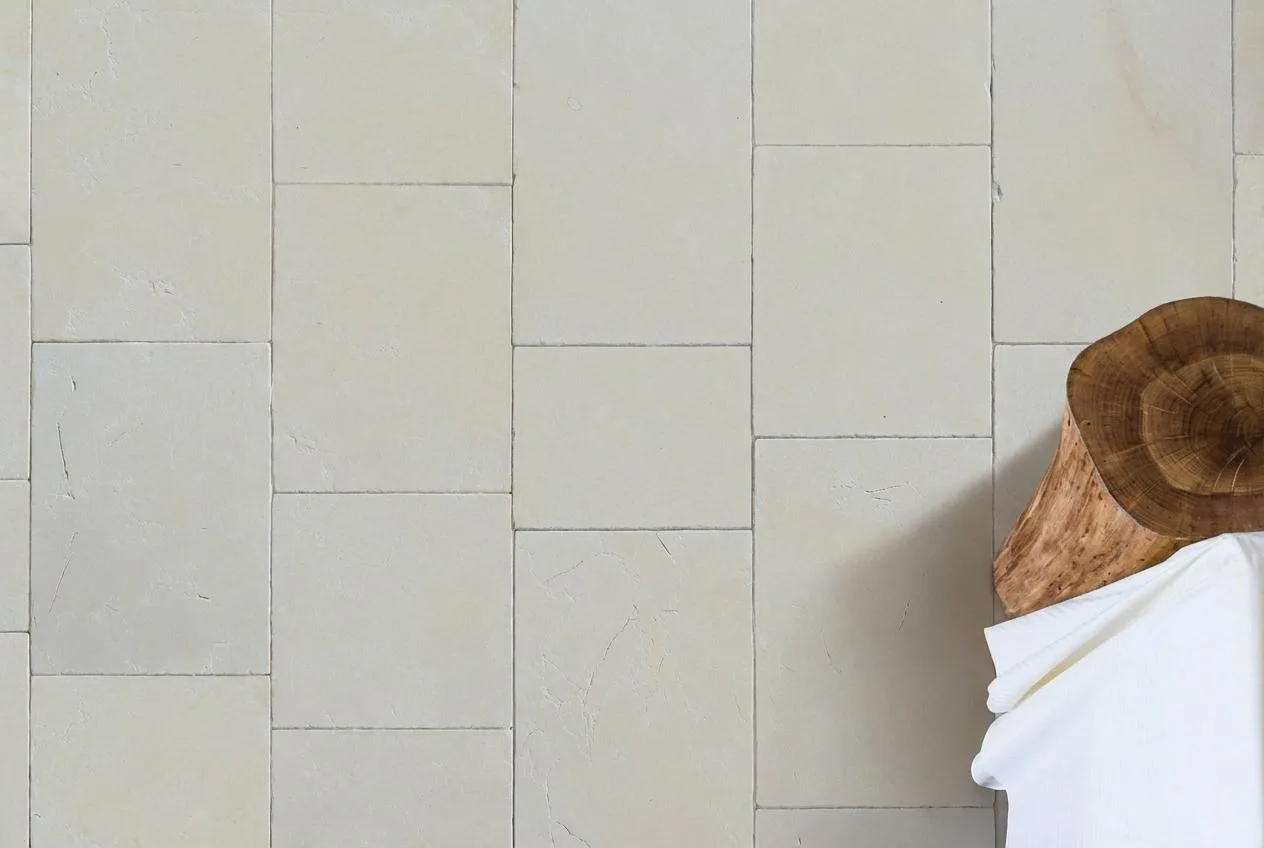
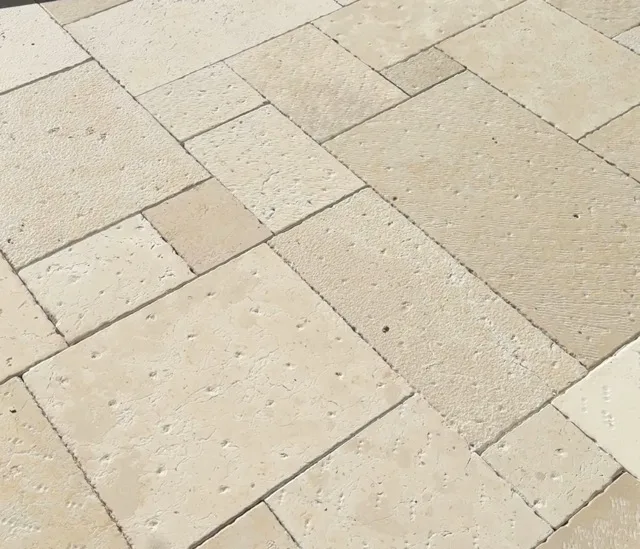
Chianche are laid instead in mixed-size courses, as in the old villages. It is the lay that gives the floor its lived-in look from day one, and identical slabs will not produce it.
For greater thicknesses, meaning driveway crossings, kerbs, steps and thresholds, we cut to measure in the sawmill from the drawing. It is the ordinary work of a sawmill and the quote already includes it.
Pools, driveways, vehicle courtyards
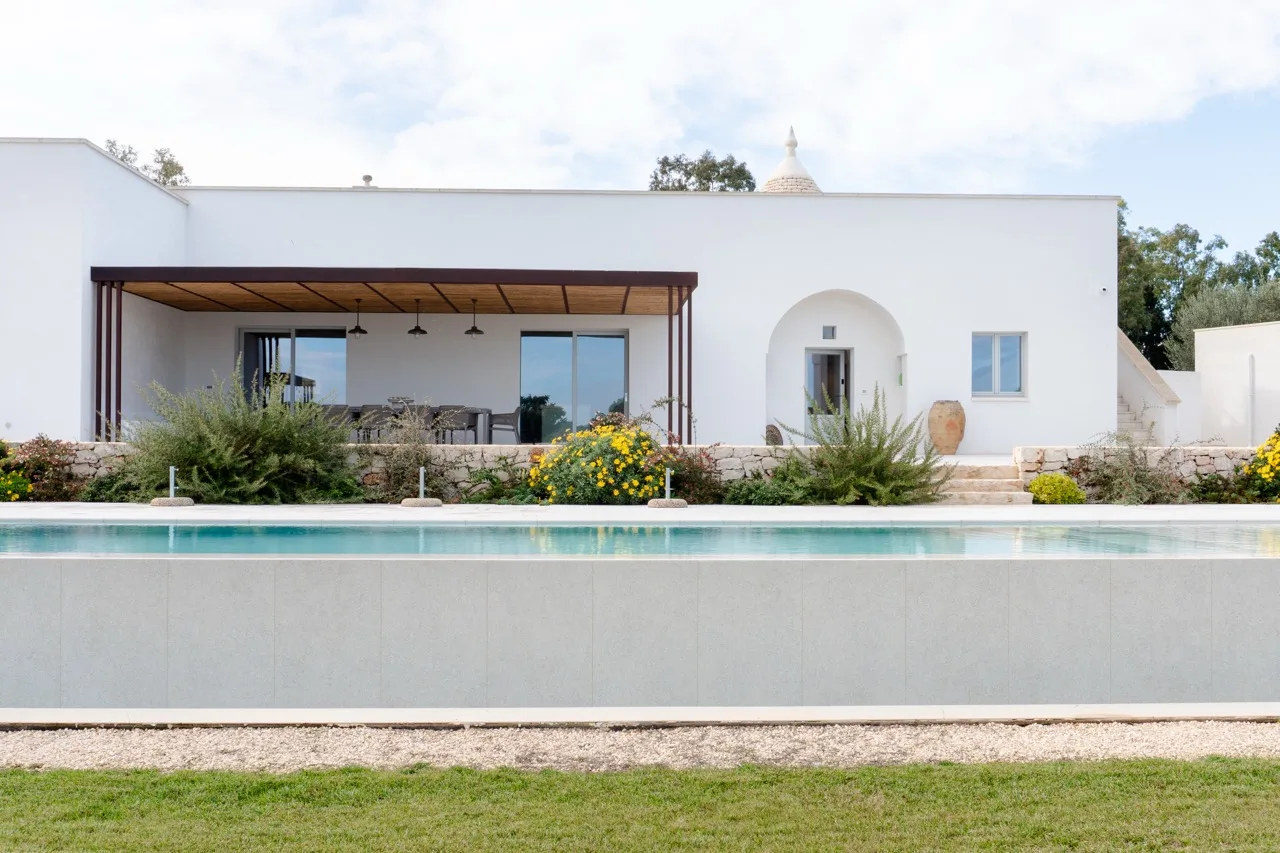
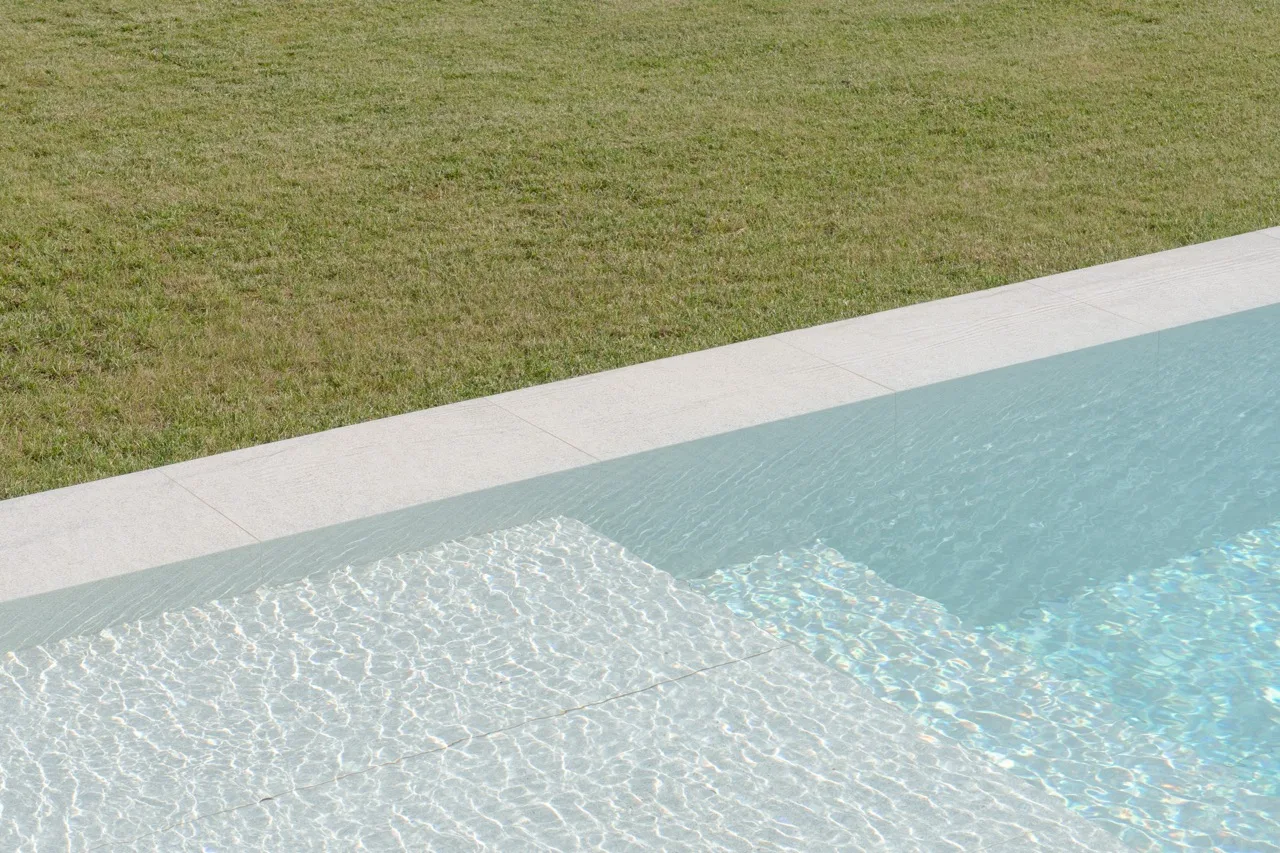
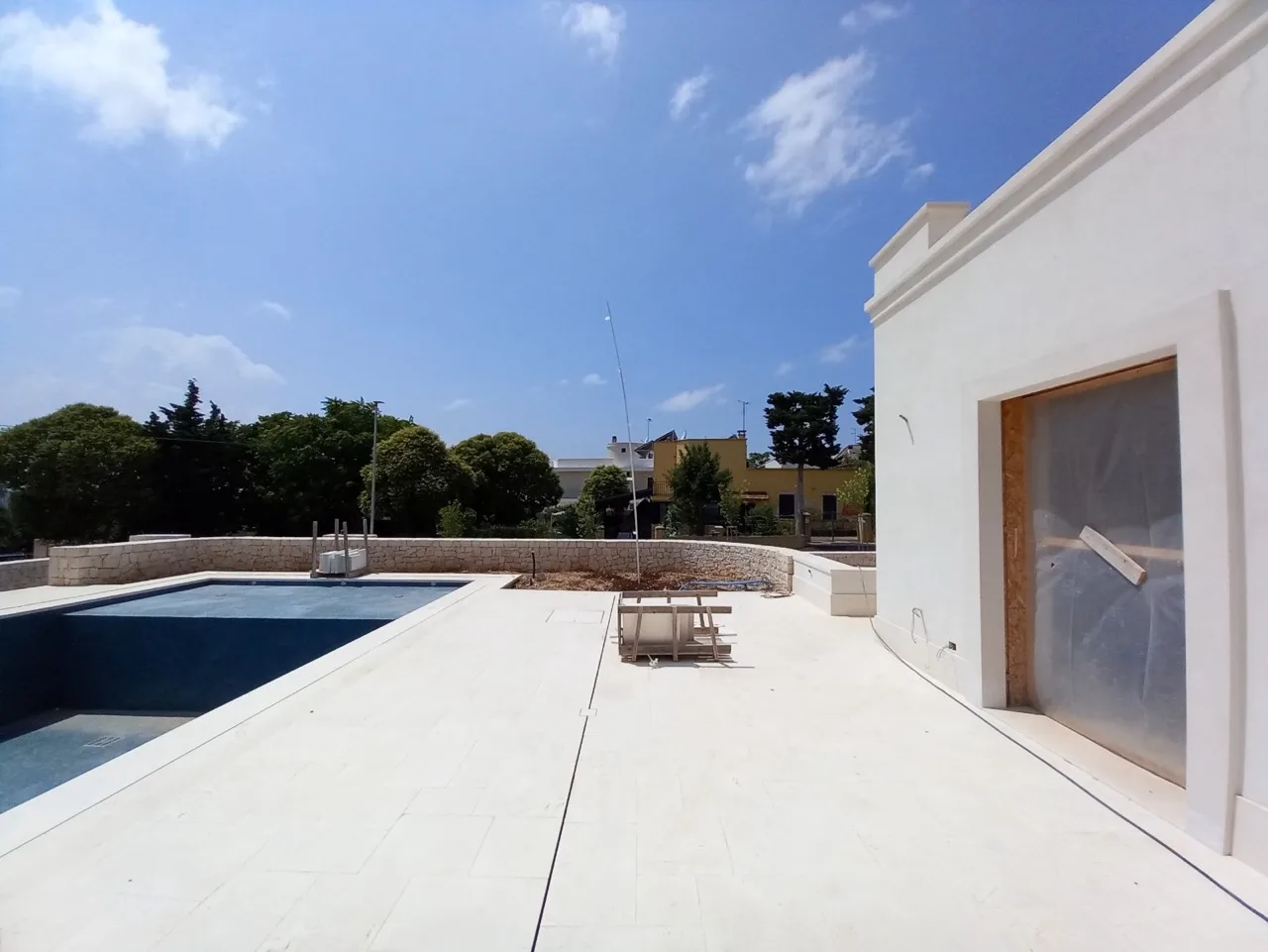
Around a pool you need a surface that does not burn and does not slip. Pale stones such as white Trani chianca and sandblasted Trani marble reflect the light and stay walkable barefoot even at midday; bush-hammering or sandblasting provide the grip.
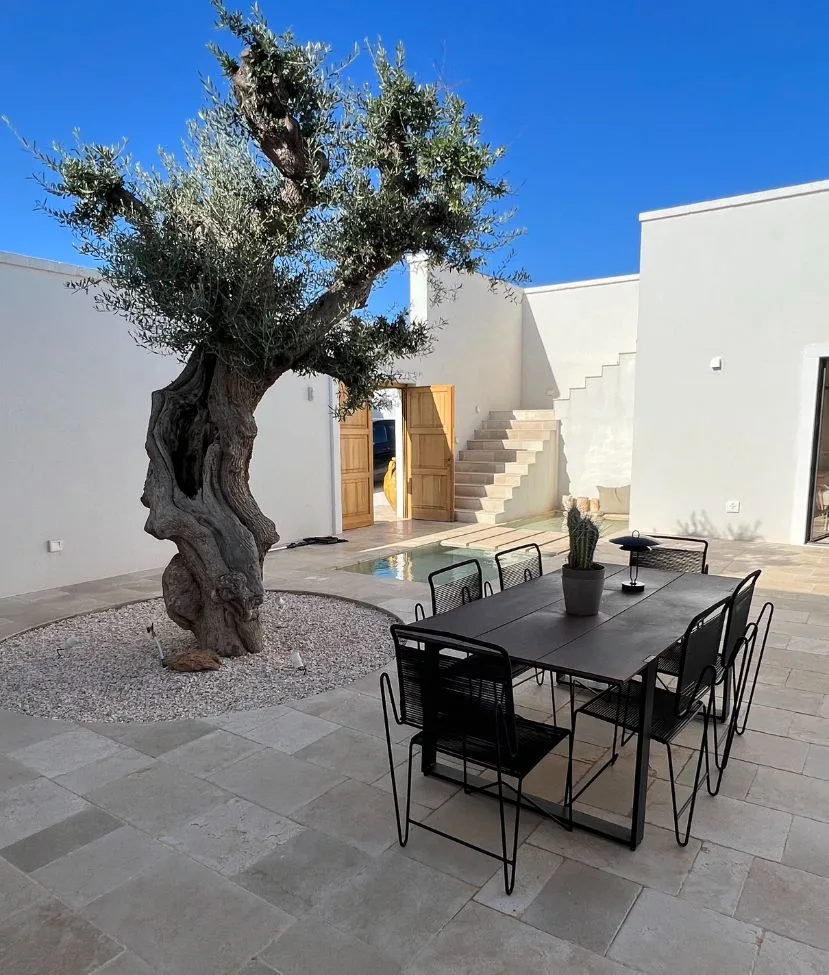
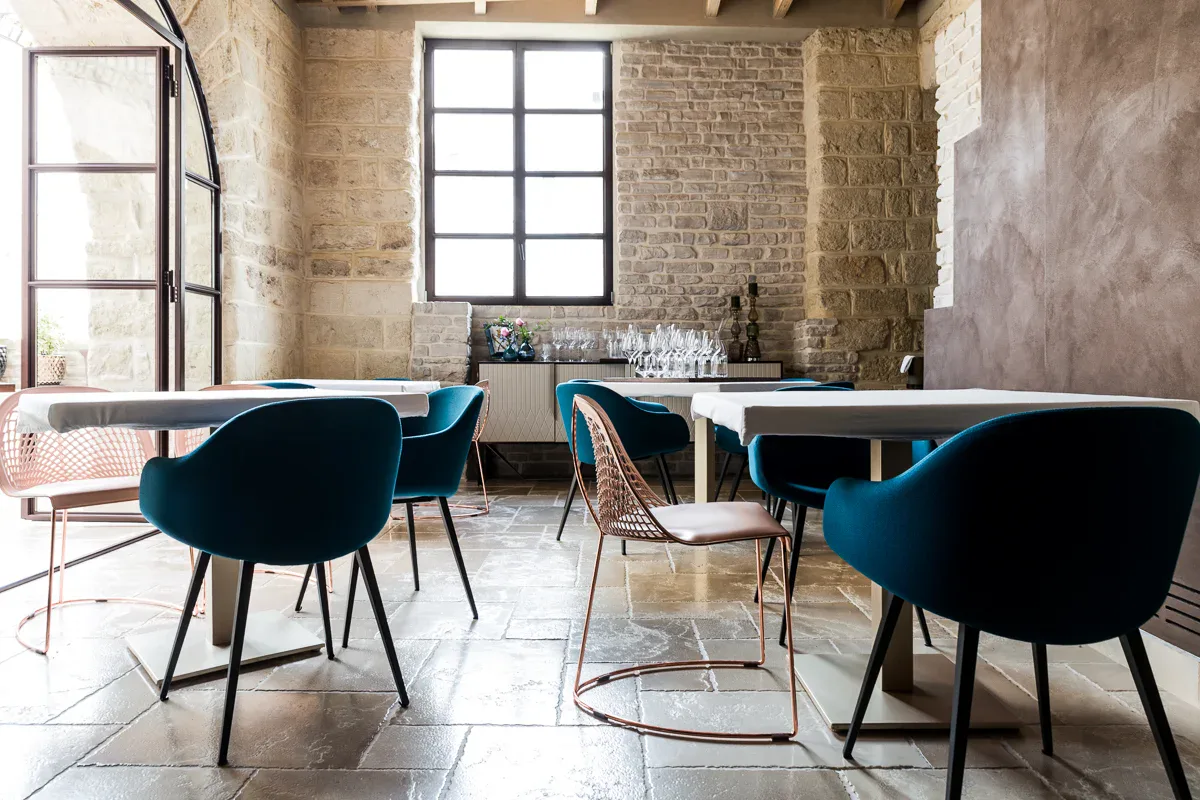
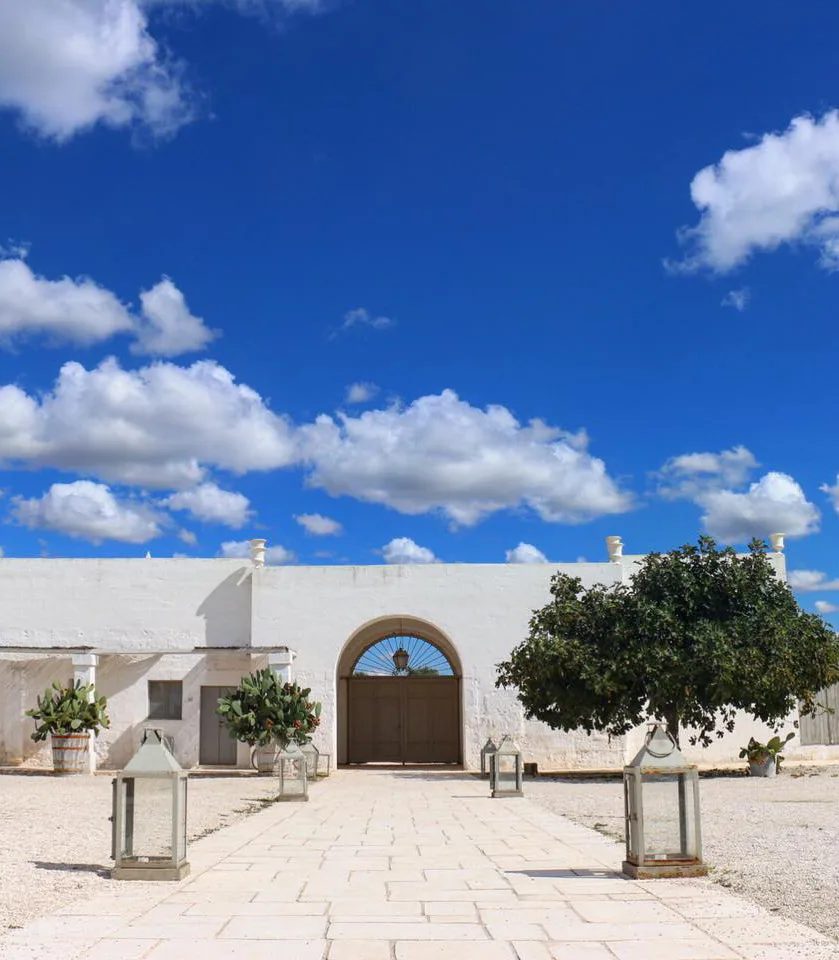
For driveways and vehicle courtyards you go for thickness and bush-hammering, using the 1922 kg/cm² breaking load. In the masserie we have supplied, from Masseria Longa to Borgo Montetorto to Masseria Potenti, it is the same stone under the cars and under the restaurant tables.
Indoor floors
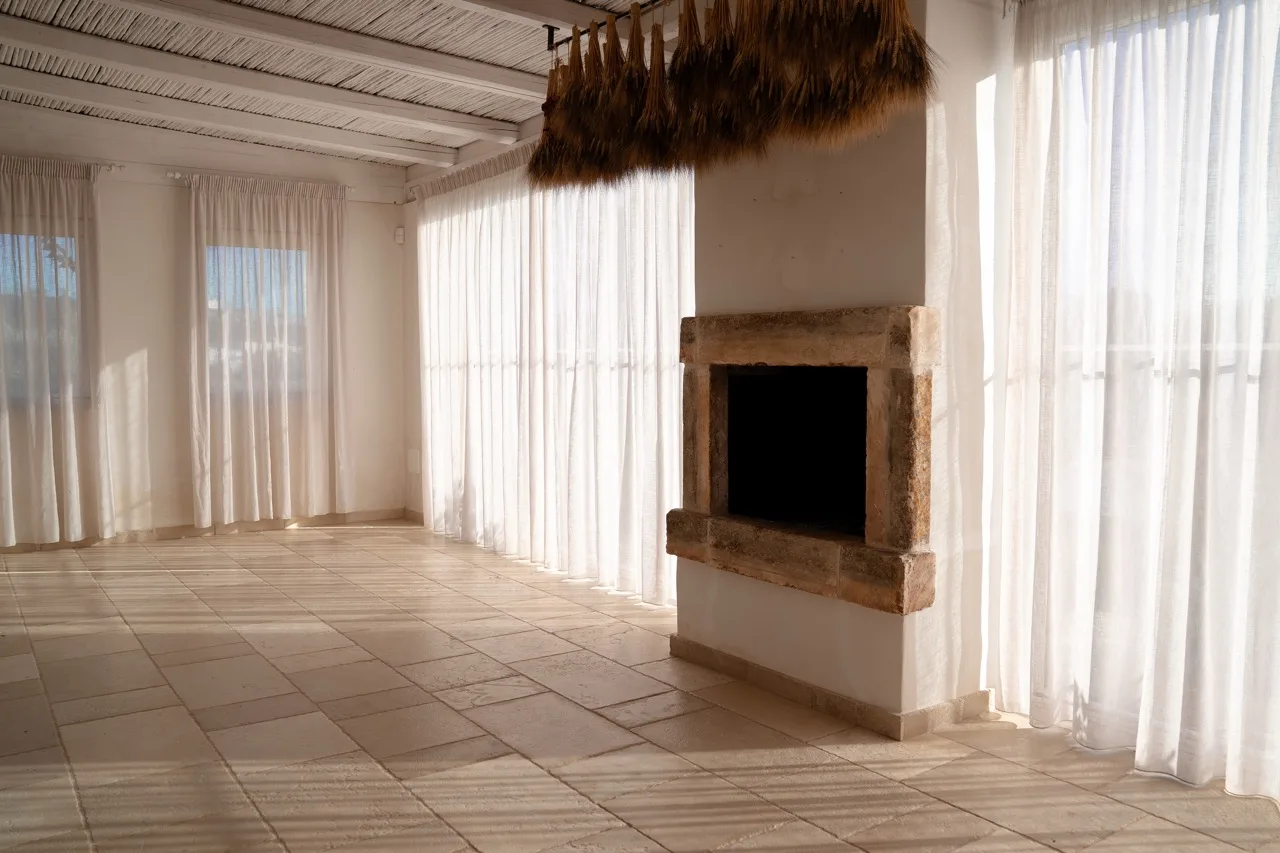
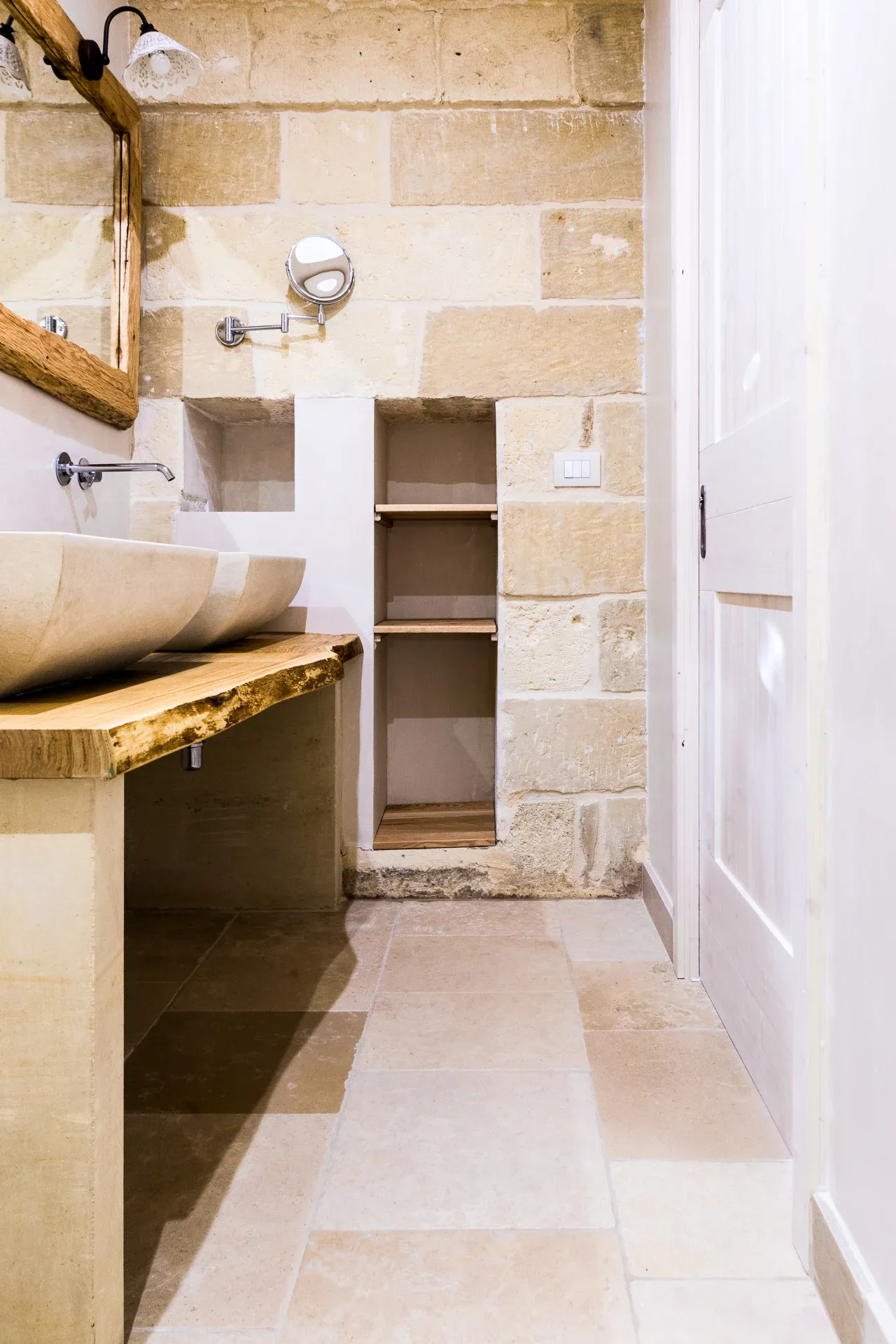
Indoors, Trani stone changes colour with the daylight, because every slab has its own veining. That is why it has to be chosen by looking at it, not from a 10 cm sample.
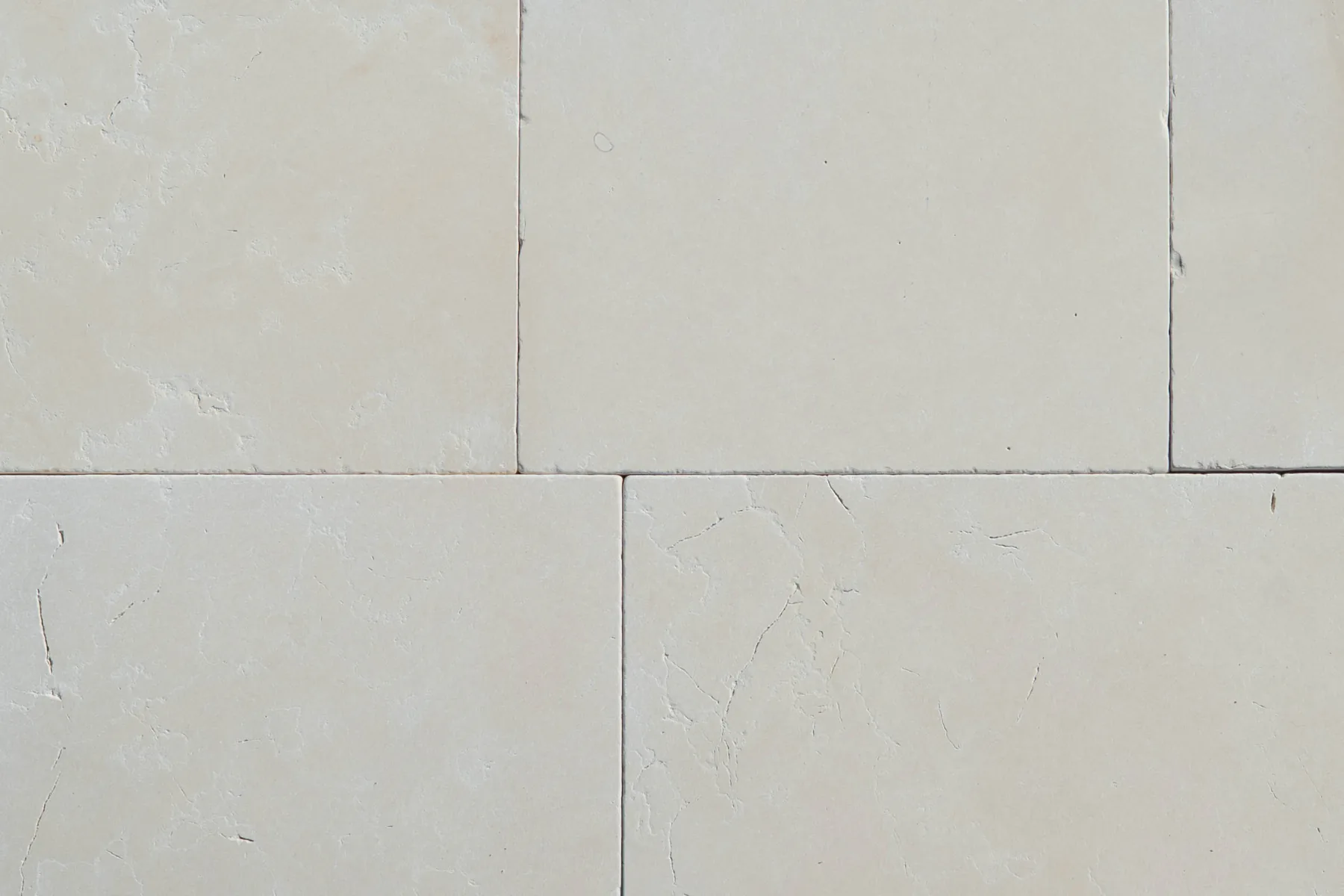
The pale, uniform tones, biancone extra and uniform white Trani, are the right background when the furniture has to come first. The shade-varied and antiqued ones are themselves the character of the room, and they ask for quiet surfaces around them.
Stone works well over underfloor heating. High density and low thermal expansion, 0.0048 mm/m·°C, mean it stores heat and does not move the joints as the system cycles up and down.
Laying and maintenance
We do not do the laying ourselves: we supply the material, the cutting drawings and the instructions for the fitter. Three things go wrong more often than the rest.
The first is the substrate. A screed that has not cured or is not level takes the floor down with it, because stone is rigid and does not forgive unevenness the way a timber board does.
The second is the joint. On mixed-size chianche it is part of the design and has to be decided beforehand, not adjusted as the work goes on.
The third is the treatment. Outdoors you often need nothing; indoors, and especially in a kitchen, a treatment that repels water and oil, applied to a dry floor, stops oil and wine from finding a way in. From then on, water and a neutral detergent are enough. Acids such as vinegar and descalers must never be used on limestone.
What a Trani stone floor costs
The material, ex-sawmill, falls within these ranges. The final price then depends on thickness, size, quantity and transport: those are the four items we ask you for in order to give a serious quote.
| Type | Indicative price | When it is used |
|---|
| Scorza by the pallet | from €25 to €30 per m² | Optimised for covering a lot of ground outdoors. |
| Split Trani scorza | from €35 to €65 per m² | The rustic answer for large outdoor surfaces. |
| Antiqued stone | from €35 to €75 per m² | The most widely used compromise between indoors and out. |
| Classic chianca | from €80 to €110 per m² | Traditional sizes, restoration of masserie and old villages. |
| Trani biancone (slabs) | from €120 to €160 per m² | The palest, most uniform selection, for high-end projects. |
On average, worked Trani stone runs between €35 and €90 per square metre: the rough selections at the bottom, the pale slabs and special finishes at the top.