
How to clean Trani stone and remove stains without damaging it
Lukewarm water and a neutral detergent, no acids: how to wash Trani stone, how to remove stains and how to apply the protective treatment.
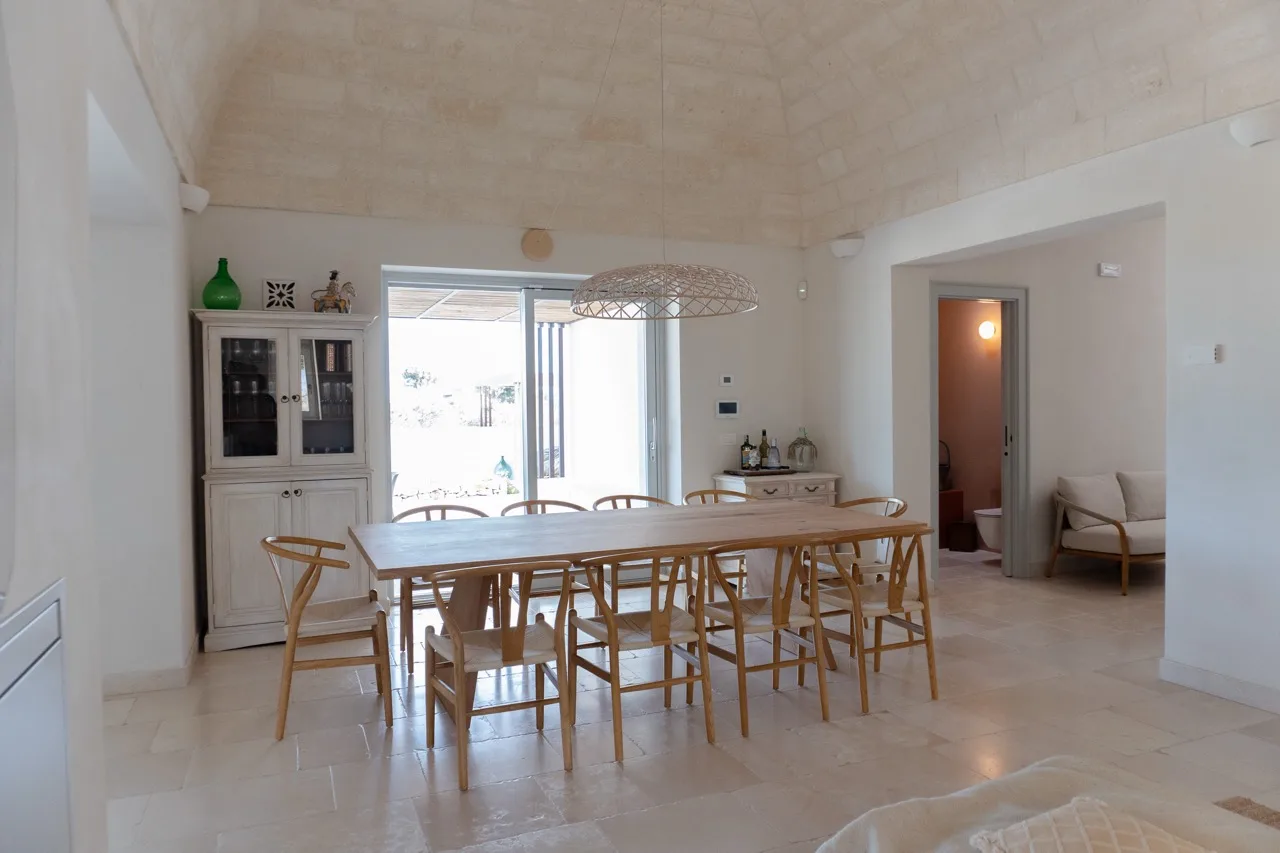
In short
- Wash it with lukewarm water and a neutral detergent at the dose on the label, after first removing the sand without water.
- Vinegar, lemon and descalers leave it dull, and bleach and ammonia should be kept away too.
- Stains that have already soaked in come out with poultices or stain removers made for stone, tested first on a hidden spot.
- The protective treatment goes on once laying is finished, on clean dry stone, after testing it on a small area.
Lukewarm water and a well diluted neutral detergent: that is how you wash Trani stone, after removing the sand dry, because the grains scratch it. Never use vinegar, lemon or descalers, because on a limestone they leave a dull mark.
Stains are dealt with one at a time, with absorbent poultices or with stain removers made for limestone. Test any new product first on a spot that does not show.
How to wash it every day
Trani stone is a compact limestone, made largely of calcium carbonate. Its water absorption coefficient is 0.300%, so it takes in very little water and everyday dirt stays on the surface.
The first pass is done dry and often, with a vacuum cleaner or a dry mop. Sand and soil brought in on shoes are abrasive, and if the mop drags them along they scratch the stone. One doormat outside the door and one inside cut down what reaches the floor, and at the entrance the dirt trapping zone should be six to eight steps long.
Then you wash with water and neutral detergent, at the dose given on the label. In the maintenance sheet a detergent maker wrote for Trani stone, a few capfuls in a bucket of five litres are enough, with no rinsing. If you use too much, the detergent leaves a film and causes streaks, especially on honed surfaces.
The same sheet puts this wash under routine maintenance, to be done every day or at least regularly. It keeps the more concentrated detergent for stubborn dirt, and after that wash it asks for a thorough rinse with clean water.
On smooth finishes, such as honed extra biancone, a damp mop is enough. Bush-hammered stone is rough and holds a little more dirt in its grain. There you need a brush made for textured surfaces, with bristles of different lengths that reach into the hollows.
Products not to use
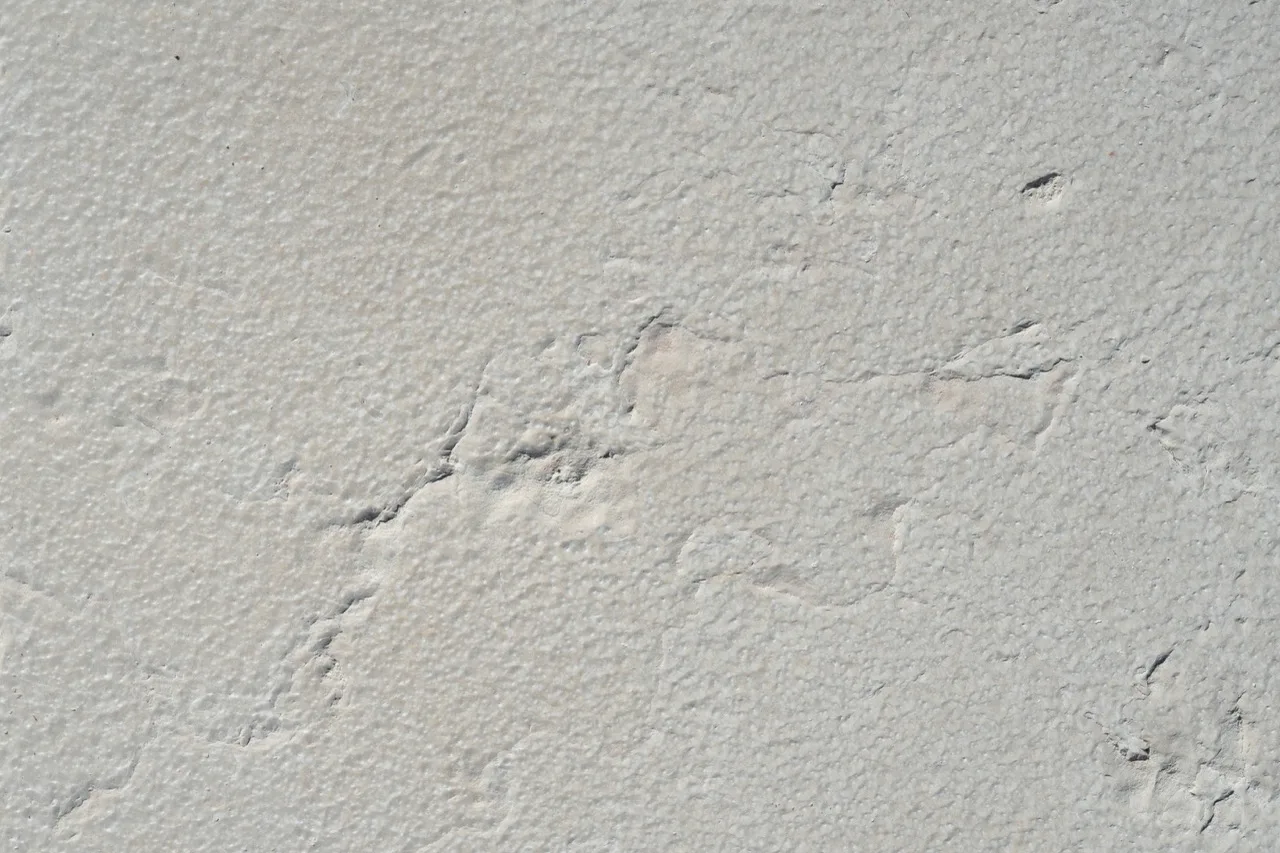
Anything that contains acids etches limestone and leaves it dull, even when it is sold as a natural remedy. Keep these products away from the floor:
- vinegar, lemon and remedies based on citric acid;
- descalers and bathroom limescale removers;
- laundry rust removers and toilet cleaners, because many contain traces of hydrofluoric acid, which attacks every kind of stone;
- abrasive powders and creams, scrapers and sharp tools, which scratch the surface.
Leave bleach and ammonia aside, because the Trani stone maintenance sheet rules out products containing ammonia and alkaline cleaners. Mixed together they give off a toxic gas, so they must never go into the same bucket.
In the shower, run a squeegee over the stone after each use, so soap does not build up. Limescale from the water stays on the surface and comes off with water and neutral detergent, with no need for a descaler.
How to remove an oil or wine stain
A spilt liquid should be wiped up straight away, because the sooner you remove it, the more easily the stain comes out. For stains that have already soaked in, the Trani stone maintenance sheet gives a different product for each type. Hydrogen peroxide, for example, removes wine but does nothing on oil or rust.
Oil and grease
Trani stone is sensitive to oil stains. Blot straight away with absorbent paper, because over time the grease sinks deeper.
If the oil has already soaked in, you need a stain remover paste made for oil and grease and suitable for stone. Spread it in a layer 3 to 5 mm thick and let it dry completely while it draws the grease out. Then remove it with a nylon brush and rinse, and if a mark remains, repeat.
Wine and coffee
Wine, coffee, tea, fruit and urine come out with hydrogen peroxide applied as a poultice. At high concentration it burns the skin, so wear gloves.
The poultice needs a white absorbent powder, such as kaolin, diatomaceous earth or talc. Half a kilo of powder, once mixed, covers about 0.09 m², a square 30 cm on each side.
- Wet the stained area with distilled water.
- Mix the powder with the product until you have a thick paste, like peanut butter.
- Spread it with a wooden or plastic spatula in a layer 6 to 12 mm thick, reaching about 2.5 cm beyond the edge of the stain.
- Cover it with plastic film taped down at the edges. After about 24 hours remove the film and let the paste dry completely.
- Remove the paste, rinse with distilled water and dry with a soft cloth. If the stain still shows, repeat, up to five times if needed.
Rust
Rust is left by plant pots, nails and metal furniture, and outdoors also by lawn fertilisers containing ferrous sulphate. It comes out with a rust remover made for stone, not to be confused with the ones for laundry. It can be applied as a poultice with diatomaceous earth, like the one for wine.
Rust stains are among the hardest to remove. If the mark is still there after a few attempts, it is worth calling a professional.
Marker pen and paint
Marker pen and ink count as coloured stains, and for these there is a specific stain remover made for natural stone. Pour it on the stain and leave it for about 15 minutes, then take it up with a damp sponge and rinse. On pale stones ink also comes out with hydrogen peroxide.
On paint use no acids and no flames. To remove it, go to a stone professional, as the Trani stone maintenance sheet advises for exceptional stains.
Candle wax
It comes out with a specific wax remover, left to work and then taken up with a spatula and a cloth. If the indoor floor was waxed, the finish then has to be restored on the cleaned spot.
The dull mark left by an acid
A dull mark left by vinegar, lemon or descaler is corrosion, and no stain remover will take it away. The only fix is to remove the thin damaged layer.
On honed surfaces, if the mark is small, use a marble polishing powder. Wet the area with clean water, sprinkle the powder and work it in with a damp cloth or a pad at low speed. If the mark is large, or the finish is rough like bush-hammered and sandblasted, you need a stone restorer.
After laying
We do not do the laying ourselves: we supply the material and the instructions, and your fitter lays and grouts the floor. Ask them to clean the cement grout residue off the face of the stone while it is still fresh.
The data sheet of a cement grout for tiles and natural stone calls for a damp sponge once the mix loses its plasticity and turns matt. That usually happens 15 to 30 minutes after grouting. For the haze left once the grout has hardened, the same sheet calls for an acid cleaner if needed, and that cannot be used on Trani stone.
For the same reason, no acid scale removers at the end of the job: they are only for materials that resist acids. The first wash comes once laying and grouting are finished, and the Trani stone maintenance sheet uses the neutral detergent much more concentrated than usual. It leaves it for five minutes, then has the floor worked with a scrubbing brush or a rotary floor machine, the residue taken up with a cloth and everything rinsed with plenty of water.
A white powder may appear on a newly laid floor: efflorescence. Remove it dry, with a mop or a vacuum cleaner, because water only makes it disappear for a short while. If it keeps coming back, talk to whoever laid the floor, because the moisture carrying the salts comes from beneath the stone.
How to apply the protective treatment
The protective treatment that repels water and oil goes on once laying is finished, on clean, dry stone. It reduces the absorption of liquids and staining substances, and makes everyday cleaning easier. The Trani stone maintenance sheet warns that it does not protect against acids.
Before treating the whole floor, try it on a small area, because it can change the colour. Pick a spot under a piece of furniture or behind a door, and check the result once the stone is dry again.
Apply it with a brush or a lambswool applicator until the stone is saturated, working the product into the surface. Whatever is not absorbed is wiped off with a cloth or kitchen paper soaked in the same product.
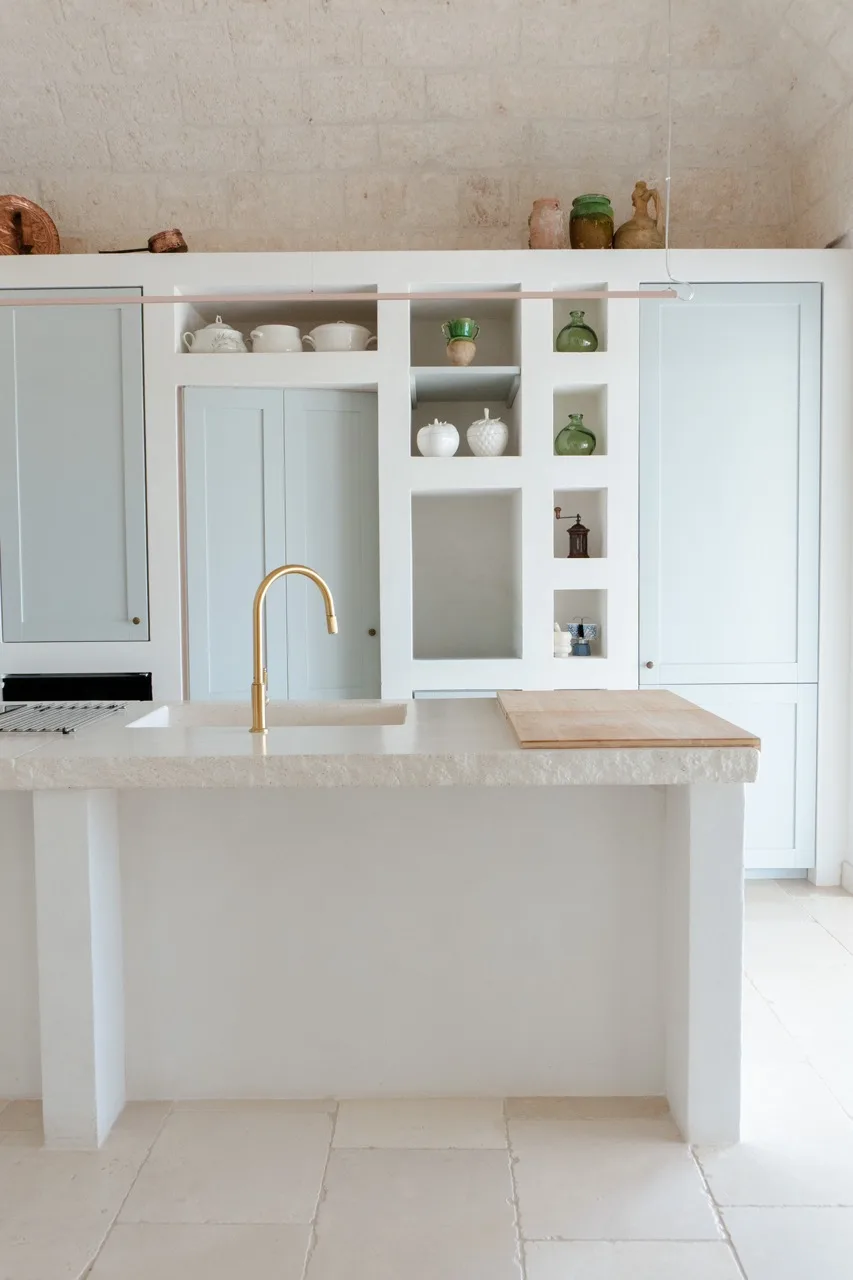
Indoors the treatment matters most in the kitchen and dining area, where oil gets dropped. On extra biancone, the selection where stains show first, it is not optional in those rooms.
To tell when to redo it, pour a few drops of water on the treated surface. If the water is repelled, the protection is holding; if it starts to soak in, it is time for a new coat.
Cleaning outdoors
Outdoors a protective treatment is often unnecessary, because with absorption of 0.300% little water gets in. It can make sense where water stands and moss and algae grow, or where people cook outside and grease drops. On external walls a breathable water repellent is used, which keeps water out and lets the stone breathe.
A pressure washer can be used, at moderate pressure. High pressure is for hard stones such as granite and basalt, and on the others you start low, with a flat fan nozzle held well back. A lance at full pressure, held still, digs out the joints over the years.
Moss and algae grow where water stands and little sun gets in, and as long as the shade and drainage stay the same, they come back. They are removed with a specific cleaner: wet the surface, spray on the product and leave it for 10 to 15 minutes. Then brush and rinse with plenty of water.
Frequently asked questions
Can you clean Trani stone with vinegar?
No. Vinegar is an acid, and on Trani stone, which is a limestone, it leaves a dull mark that no detergent removes. For washing, lukewarm water and a neutral detergent are enough.
Does Trani stone stain easily?
Not much, because it absorbs 0.300% water and dirt stays on the surface. The stain to worry about is oil, and on the palest selections, such as extra biancone, every mark shows sooner.
Do stains outdoors go away on their own?
Organic ones often do. Coffee, fruit or wine on a terrace exposed to sun and rain tend to fade with time, once whatever caused them has been removed. Oil and rust stay, and have to be removed with specific products.
Are bicarbonate of soda and Marseille soap all right?
Better to leave them in the cupboard. The Trani stone maintenance sheet asks for neutral detergents and rules out alkaline ones, and bicarbonate of soda is also slightly abrasive. Methylated spirits are not recommended either, because they spoil the shine of the stone.
How often does the protective treatment need redoing?
There is no interval that holds for every product, because it also depends on how exposed the surface is and how much it is walked on. The drop test tells you: when water is no longer repelled and soaks in, it is time to redo it.
Keep reading
The drawbacks of Trani stone and how to deal with them
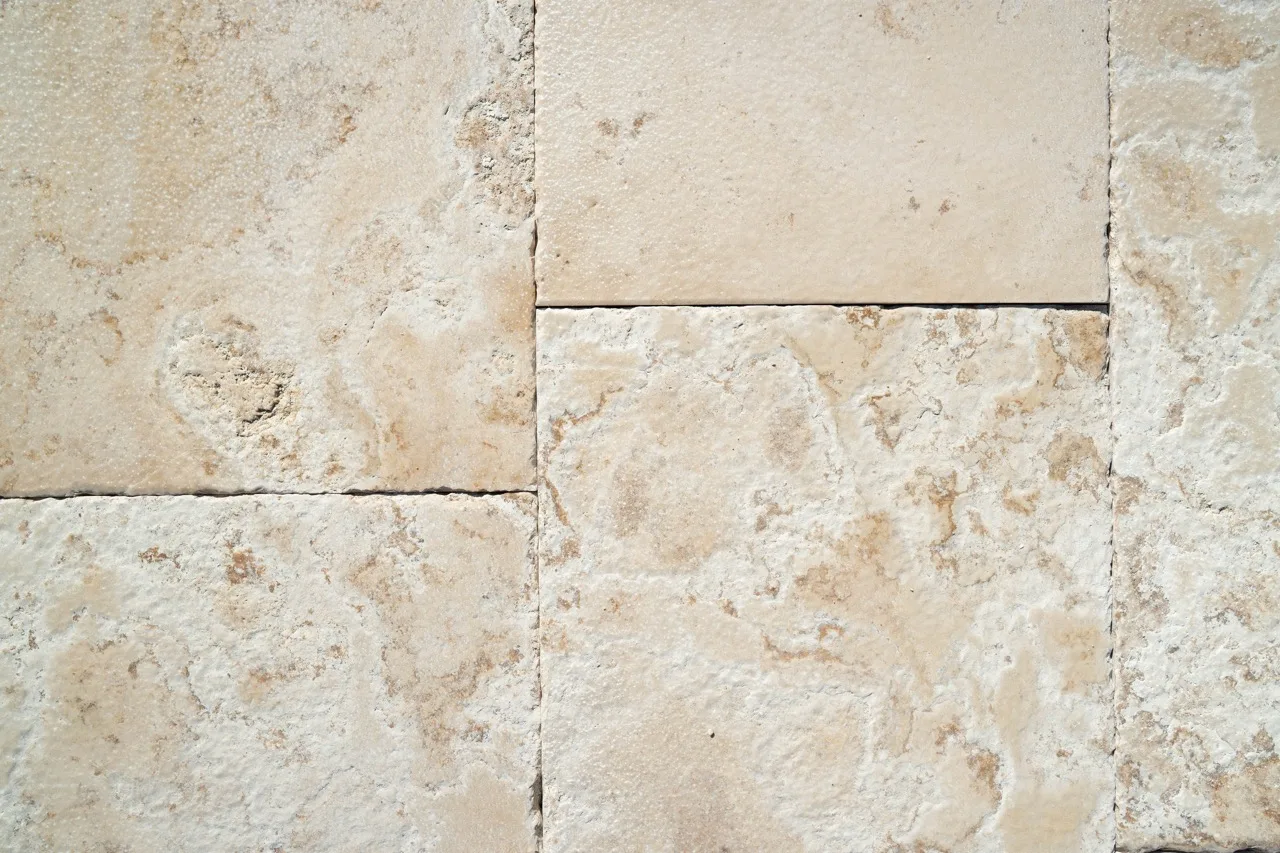
Acids dull it and oil stains it if it is not protected. Where the drawbacks of Trani stone come from and how to deal with them, from the right finish to spare slabs from the same batch.

Marble floors: 10 secrets for a luxury design with Trani stone
Four finishes, three laying patterns and a pale floor that spreads the light: the choices that decide how a stone room really looks.
From theory to your site
If you are choosing stone for a project, we'll help you work out which finish really holds up.