
Marble floors: 10 secrets for a luxury design with Trani stone
Finishes, sizes, laying and light: the ten choices that change a Trani stone floor, for interiors and exteriors alike.

In short
- Four finishes: polished, honed, brushed, bush-hammered.
- A pale floor spreads the light and widens how the space is perceived.
- Three laying patterns: open pattern, tight joint, decorative inserts.
- It is kept with neutral detergents and water-repellent treatments.
A marble floor is a distinctive choice in interior architecture. Discover how to bring out a space with materials of value and innovative design solutions.
Our stone can surprise you: come and find the one that suits you best. Download our catalogue!
Table of contents:
- Introduction to the marble floor in interior architecture
- The importance of the marble floor in contemporary design
- Why choose Trani stone for a marble floor
- Finishes and workings: which to choose to bring out a space
- The use of the marble floor in luxury homes
- Combining with other materials for an aesthetic balance
- Marble floors in retail and exhibition spaces
- Lighting and the perception of space with marble
- Laying strategies for an impeccable result
- Upkeep and durability in interior design projects
- Conclusions
Introduction to the marble floor in interior architecture
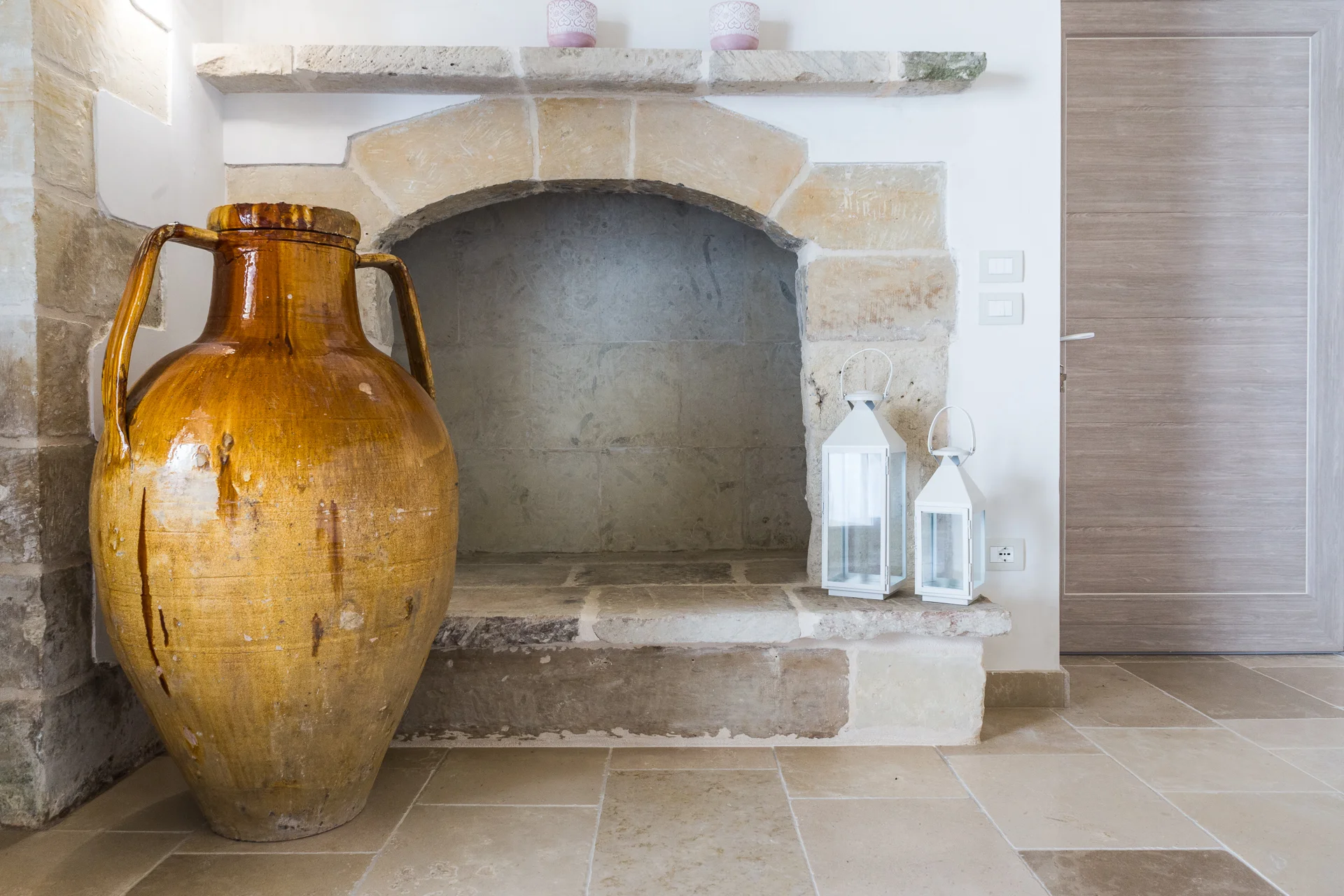
Il marble floor is an essential choice for architects and interior designers looking for noble and lasting materials. Among the most valued natural stones, Trani stone stands out for its refined character and for the versatility with which it fits into different stylistic settings.
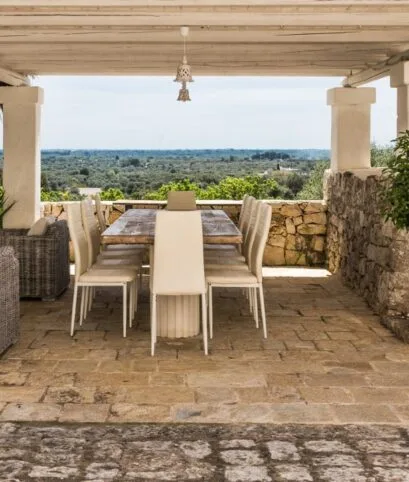
This limestone, quarried in Puglia, offers a colour range from cream white to golden beige, with light veining that gives an elegant and natural look, through to the biancone. Its aesthetic and structural qualities make it perfect for indoor and outdoor paving, guaranteeing strength and timeless charm.
The importance of the marble floor in contemporary design
Marble is a timeless material, able to suit classic interiors as much as more modern ones. Trani stone, thanks to its neutral tones and its compact texture, is particularly valued in contemporary projects, where a balance is sought between nature and minimalist design.
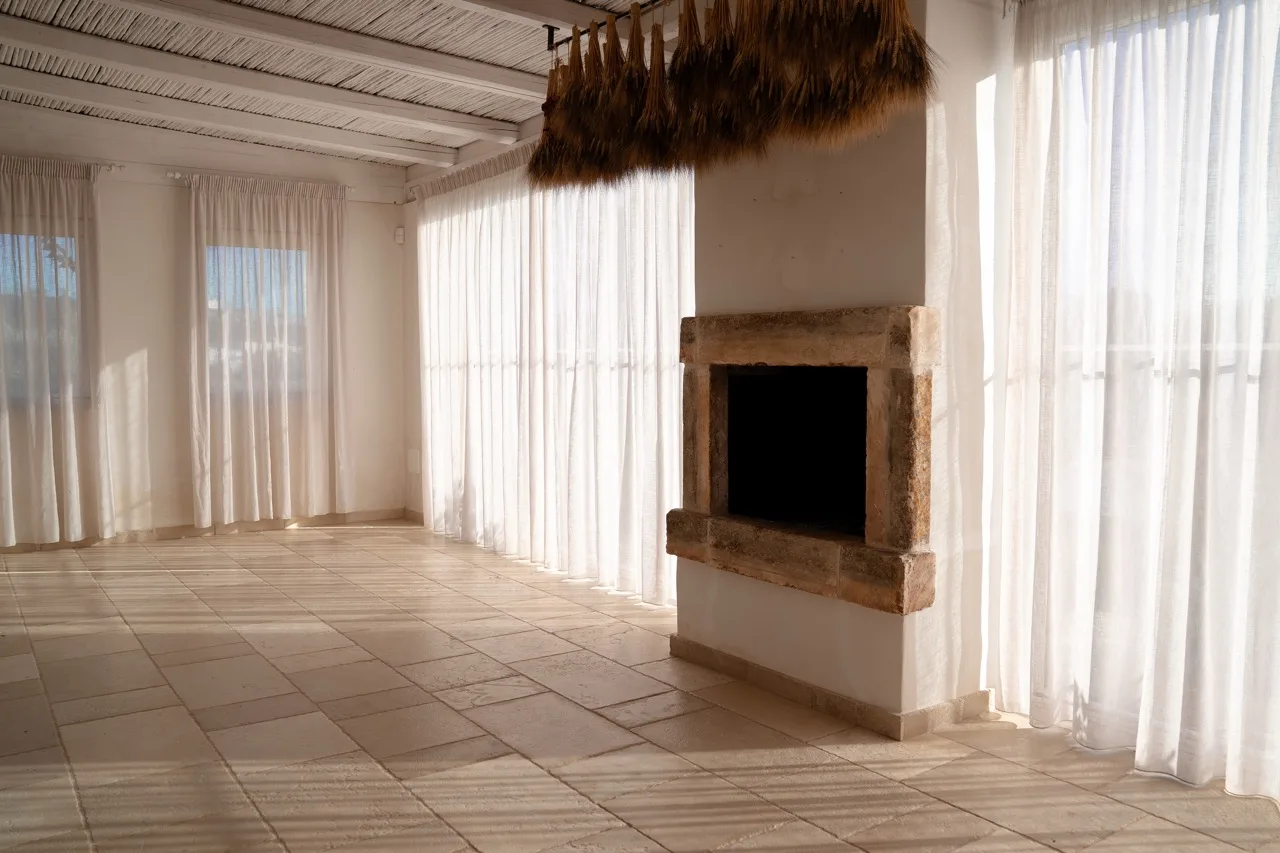
Thanks to its ability to reflect light, a marble floor in Trani stone amplifies the brightness of a space, creating warm and welcoming atmospheres. Moreover, its use in spaces of clean, linear design helps bring out the idea of discreet and sustainable luxury.
Why choose Trani stone for a marble floor
Trani stone differs from other marbles for its high strength and for its ability to suit different finishes. It is a natural material that keeps its beauty intact over time, with a low level of water absorption and a great ability to resist the weather.
In interior design, this stone is chosen for:
- Its refined looks, which suit different architectural styles
- Its resistance to wear, ideal for floors subject to heavy footfall
- Its sustainability, being an ecological and lasting material
Finishes and workings: which to choose to bring out a space
A marble floor in Trani stone can be worked in different finishes to suit any stylistic need:
- Polished: for a bright and luxurious effect
- Honed: for a more natural and sophisticated look
- Brushed: for a textured and hard-wearing surface
- Bush-hammered: for greater grip in damp spaces or outdoors
The use of the marble floor in luxury homes
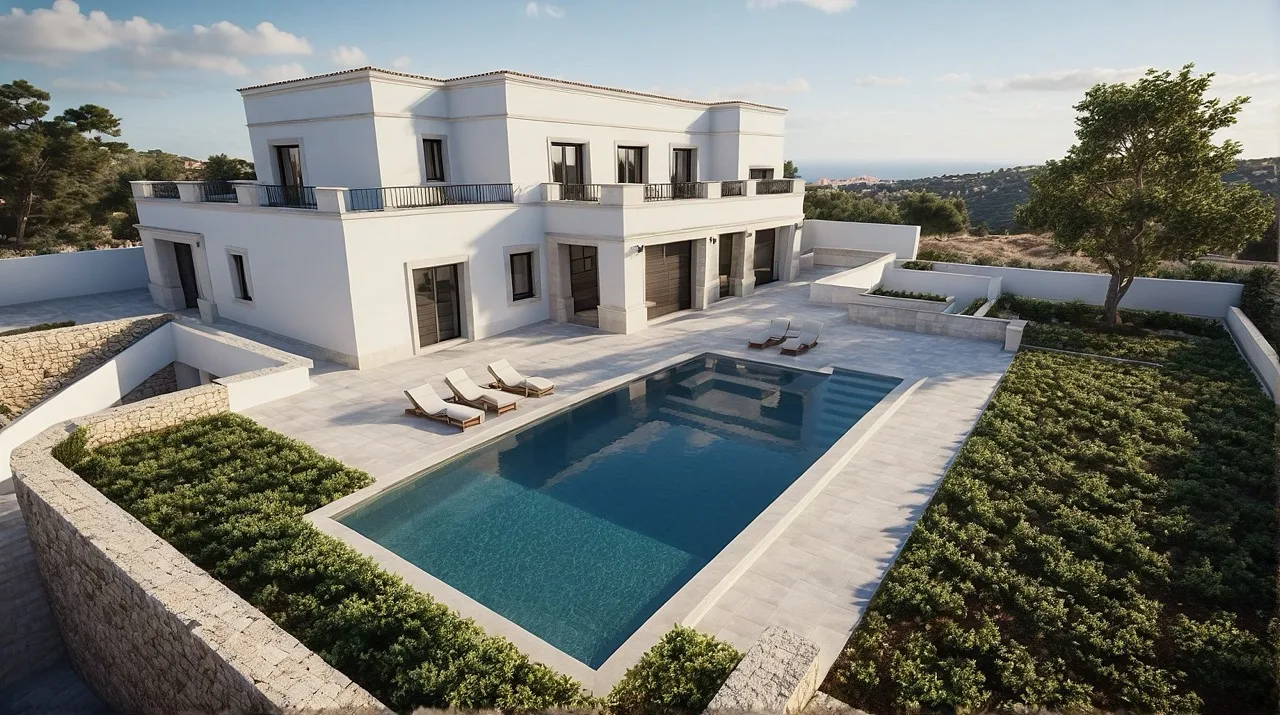
In prestigious homes, a marble floor is a symbol of exclusivity. Trani stone, with its soft texture and its warm tones, helps create a refined atmosphere, fitting perfectly with wooden furnishings, fine metals and glass surfaces.
In the most ambitious interior design projects, it is often used for large living rooms, scenographic entrances and designer bathrooms, where the marble becomes the absolute protagonist of the space.
Combining with other materials for an aesthetic balance
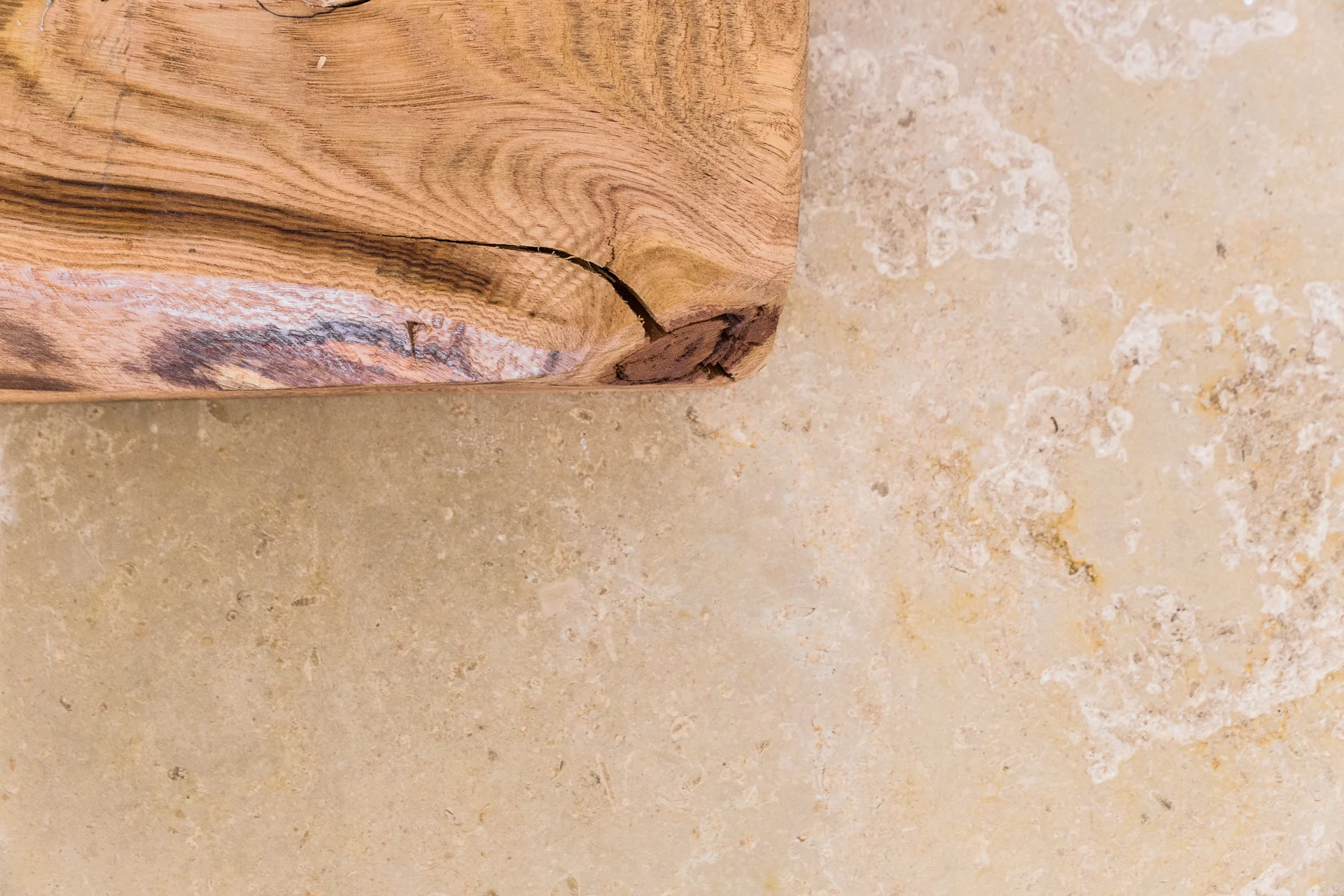
A marble floor in Trani stone combines perfectly with other materials such as wood, iron and glass. This versatility makes it an ideal choice for those who want harmonious and sophisticated spaces, without giving up warmth and naturalness.
Marble floors in retail and exhibition spaces
In luxury boutiques, restaurants and hotels, Trani stone is used for its ability to give a space a strong and distinctive identity. Its resistance to wear makes it perfect for high-traffic spaces, always guaranteeing an impeccable look.
Lighting and the perception of space with marble
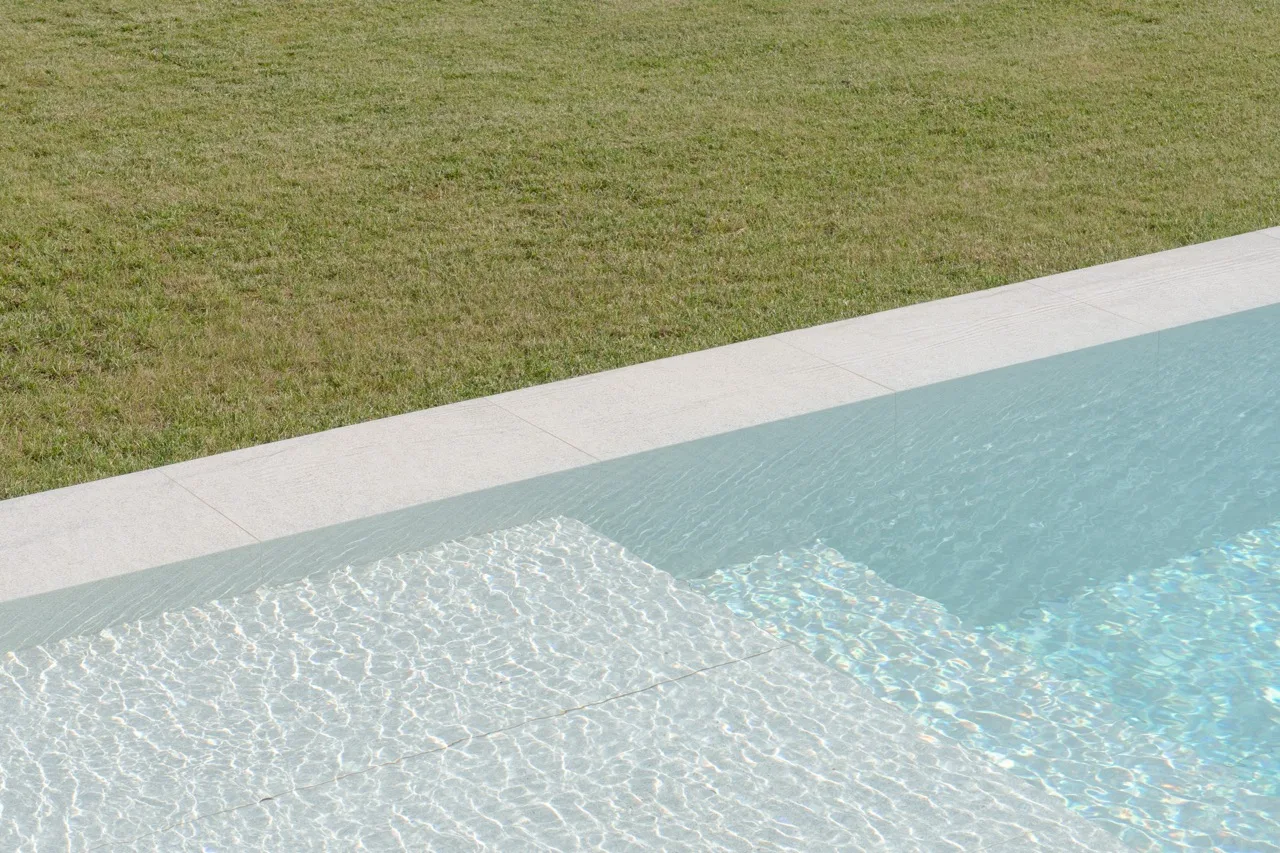
A pale marble floor helps spread natural light, making spaces wider and more welcoming. Trani stone, with its delicate shades, is ideal for those who want to bring out the brightness of a space without weighing down the furnishing.
Laying strategies for an impeccable result
Laying the marble correctly is essential to obtain a harmonious result. Among the most used techniques are:
- Open pattern, which emphasises the natural veining
- Tight joint, for an even and modern effect
- With decorative inserts, to bring out classic spaces
Upkeep and durability in interior design projects
A Trani stone floor is easy to look after with a few simple precautions. The use of neutral detergents and water-repellent treatments helps preserve its beauty over time, making it a practical and functional choice.
Conclusions
A marble floor in Trani stone is an investment in looks, durability and prestige. Whether it is a private home, a boutique hotel, a luxury restaurant or a large exhibition space, this material guarantees a high level result, able to outlast fashions and stay current over time.
Discover the timeless elegance of natural stone! Download our catalogue now and let yourself be inspired by unique solutions to transform your spaces with materials of value and sustainability.
Keep reading

Trani marble or Trani stone? Six confusions behind a famous name
Geologically it is a compact limestone, not a metamorphic marble. But the name has held for centuries: here is where it comes from, what really changes and what it costs.

Trani stone: from the quarry to the finished work, the 10 stages of processing
Diamond wire in the quarry, single-blade saws in the sawmill, water jet for bespoke pieces: ten stages told one by one, from block to laying.
From theory to your site
If you are choosing stone for a project, we'll help you work out which finish really holds up.